
 https://www.parryfield.com/wp-content/uploads/2020/04/Mainzeal-2.jpg
437
803
Tasha Fraser
https://www.parryfield.com/wp-content/uploads/2019/07/Parry-Field-Lawyers-Logo.png
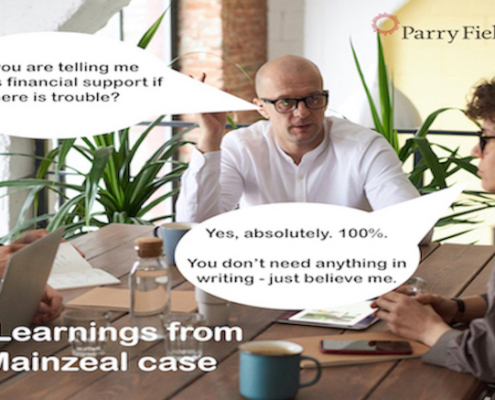
Tasha Fraser2020-04-22 17:21:442025-10-24 09:43:22Director’s duties highlighted by the Mainzeal Case
https://www.parryfield.com/wp-content/uploads/2020/04/Mainzeal-2.jpg
437
803
Tasha Fraser
https://www.parryfield.com/wp-content/uploads/2019/07/Parry-Field-Lawyers-Logo.png
Tasha Fraser2020-04-22 17:21:442025-10-24 09:43:22Director’s duties highlighted by the Mainzeal CaseHistorical abuse in care is a saddening part of the story of some state and faith-based care institutions.
The Royal Commission of Inquiry into Abuse in Care has been working hard to investigate what happened between 1950-1999 in order to inform how state and faith-based care can be improved. Some faith-based institutions are now grappling with how to address claims of historical abuse in care.
This page provides further information on legal support in responding to claims of historical abuse in care.
Historical Abuse in Care – Best Practice Guide
Our Historical Abuse in Care guide is available to download for free. The guide is intended to explain what best practice looks like for faith-based institutions looking to address claims of historical abuse in care.
Should you have any questions or wish to receive legal support, please do not hesitate to get in touch.

Judith Bullin
Partner

Kris Morrison
Partner
Advice and Support for Responding to a Claim
Our team are available to support institutions who have received a claim of historical abuse, with advice on what to do when a claim is received, and the process for assessing and investigating claims. This includes guidance on importance of privacy of both the complainant and the individual/s complained against, ensuring compliance with the Privacy Act 2020.
Deeds of Settlement and Redress
We can also provide support with and prepare deeds of settlement. These are legally binding agreements between the claimant and the institution. A deed usually acknowledges the abuse that occurred or may have occurred, may include an apology and an offer of redress. Deeds of settlement are often also confidential between the parties signing, other than for any Government-based redress initiative.
Good Governance
In responding more generally to the risks of abuse in care, it is important for faith-based institutions to make sure they have good governance procedures in place. This includes having current policies and procedures, and regularly reviewing the rules and governing procedures of the faith-based institution to ensure they are fit for purpose – for registered charities, it is now a legal requirement to do this every three years.
We have more information available on good governance in the Governance Essentials section of our website.
Additional Resources Available to Download


Key Issues to be Considering Right Now
Additional free resources that you may find helpful include:
Recent Articles
https://www.parryfield.com/wp-content/uploads/2020/04/Mainzeal-2.jpg
437
803
Tasha Fraser
https://www.parryfield.com/wp-content/uploads/2019/07/Parry-Field-Lawyers-Logo.png
Tasha Fraser2020-04-22 17:21:442025-10-24 09:43:22Director’s duties highlighted by the Mainzeal Case https://www.parryfield.com/wp-content/uploads/2020/03/redd-francisco-PTRzqc_h1r4-unsplash-scaled.jpg
1440
2560
support@happymonday.co.nz
https://www.parryfield.com/wp-content/uploads/2019/07/Parry-Field-Lawyers-Logo.png
support@happymonday.co.nz2020-03-02 16:05:582026-01-15 14:58:56Charitable Trusts vs Incorporated Societies: Which is best?
https://www.parryfield.com/wp-content/uploads/2020/03/redd-francisco-PTRzqc_h1r4-unsplash-scaled.jpg
1440
2560
support@happymonday.co.nz
https://www.parryfield.com/wp-content/uploads/2019/07/Parry-Field-Lawyers-Logo.png
support@happymonday.co.nz2020-03-02 16:05:582026-01-15 14:58:56Charitable Trusts vs Incorporated Societies: Which is best? https://www.parryfield.com/wp-content/uploads/2020/01/Sea-Lion-scaled.jpg
1706
2560
support@happymonday.co.nz
https://www.parryfield.com/wp-content/uploads/2019/07/Parry-Field-Lawyers-Logo.png
support@happymonday.co.nz2020-01-23 15:30:232026-03-25 15:17:26Does your Charity need a Common Seal?
https://www.parryfield.com/wp-content/uploads/2020/01/Sea-Lion-scaled.jpg
1706
2560
support@happymonday.co.nz
https://www.parryfield.com/wp-content/uploads/2019/07/Parry-Field-Lawyers-Logo.png
support@happymonday.co.nz2020-01-23 15:30:232026-03-25 15:17:26Does your Charity need a Common Seal?Our Team

Kris Morrison
Partner
Parry Field Lawyers
Judith Bullin
Partner
Parry Field Lawyers