

Following the 2010/2011 Canterbury earthquakes, certain areas of Christchurch were designated ‘red zoned’. These zones were identified based on significant land damage, risk to life, or the impracticality of rebuilding. Recently, certain ex-red zoned land has started to come onto the market and be sold by the Christchurch City Council. While ex-red zoned land is often priced lower per square metre than other sections, it does carry additional risks which purchasers need to consider.
Key Considerations for Potential Purchasers
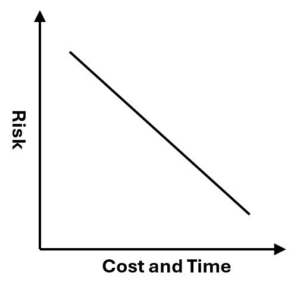 Purchasing any land requires balancing good due diligence with the cost and time to complete that due diligence. This is all the more important for ex-red zoned land where, ideally, significant investigations would be undertaken prior to confirmation of the contract. However, even extensive investigations cannot eliminate all post-purchase risks and surprises, so purchasers must be comfortable accepting some risk.
Due Diligence for Ex-Red Zoned Land
Engage an Experienced Property Lawyer to Review the Agreement
Agreements for ex-red zoned land generally favour the Vendor by stating the Vendor will not:
- Mark land boundaries;
- Accept liability for incorrect or incomplete information;
- Guarantee buildability or consent approvals;
- Ensure services such as drains are connected or functional.
The purchaser’s lawyer can advise on these risks, tailor the agreement to include broad due diligence conditions and allow sufficient time for investigations. They can also secure increased rights of cancelation if findings are unsatisfactory.
Insurance and Finance
It is difficult to mitigate the risk that a purchaser is unable to obtain future insurance prior to going unconditional on the purchase of the ex-red zoned land. Ex-red zoned land is bare land meaning there are no improvements to insure at the time of confirmation of the purchase of the land. Insurers will likely be hesitant to confirm whether they will provide coverage until final plans, engineering reports, and construction details are submitted and possibly completed. While this is a common risk when a purchaser is buying bare land to build upon generally, this risk is increased with ex-red zoned land due to the nature of the land in question.
If the purchaser cannot obtain insurance, they may not be able to borrow from a standard bank to complete the build.
Even if the purchaser can obtain insurance, it is possible coverage is refused in the future, particularly as insurers re-assess their risk profile.
To obtain some clarity on whether insurance is likely to be forthcoming, buyers should notify their intended insurer and lender about the ex-red zoned status and provide all relevant information. Buyers should also work through the relevant risks during due diligence of the property.
Review the Land Information Memorandum (“LIM”)
The LIM details natural hazards, zoning, and drainage locations. It should be reviewed by your lawyer and other relevant experts.
Examine the Record of Title
A lawyer can clarify what easements, covenants, consent notices, or other interests are registered on the title and affect the land’s use or the type of dwelling that can be built.
Engage a Surveyor
Since the Council may not identify the property boundaries, a surveyor can peg the site and locate existing services which may have been removed or disconnected.
Geotechnical Engineer, Structural Engineer, Quantity Surveyor and Builder
Given the higher risk of ex-red zoned land, it is imperative to get a site feasibility assessment completed before the land is purchased.
A geotechnical engineer would provide an assessment of the ground conditions, land suitability, and any additional hazards present on the site such as liquefaction, lateral spread, or contamination. They can also provide advice on ground remediation, and any additional foundation requirements.
A structural engineer can advise on the type of foundations and building recommended for the site conditions identified by the geotechnical engineer.
A quantity surveyor (or builder depending on scope) can provide advice on additional costs associated with the complex site conditions and foundations outlined by the geotechnical and structural assessments.
Planner
The Council may not guarantee they will grant consent to build. A planner can interpret District Plan rules, identify required consents, evaluate likelihood of approval, and advise on documentation needed.
Valuation and Resale
The risks identified above may impact both the value and marketability of the property. Engaging a registered valuer can help assess fair value and predict the completed property’s worth.
Summary
Ex-red zoned land offers potential opportunities, but there are legal, technical, and financial risks associated with such a purchase. These risks should be considered and where possible mitigated (as far as possible) with thorough due diligence by the relevant experts.
Our experienced Property team are able to answer any questions that you have and can assist you through the due diligence process. Contact us today for more information.
__________________________________________________________________________________________________________________________
The information contained in this outline is of a general nature, should only be used as a guide and does not amount to legal advice. It should not be used or relied upon as a substitute for detailed advice or as a basis for formulating decisions. Special considerations apply to individual fact situations. Before acting, clients should consult their Parry Field Lawyer.
June 2026

